AUPHA: What's your educational background and why did you choose the area(s) of study that you did?
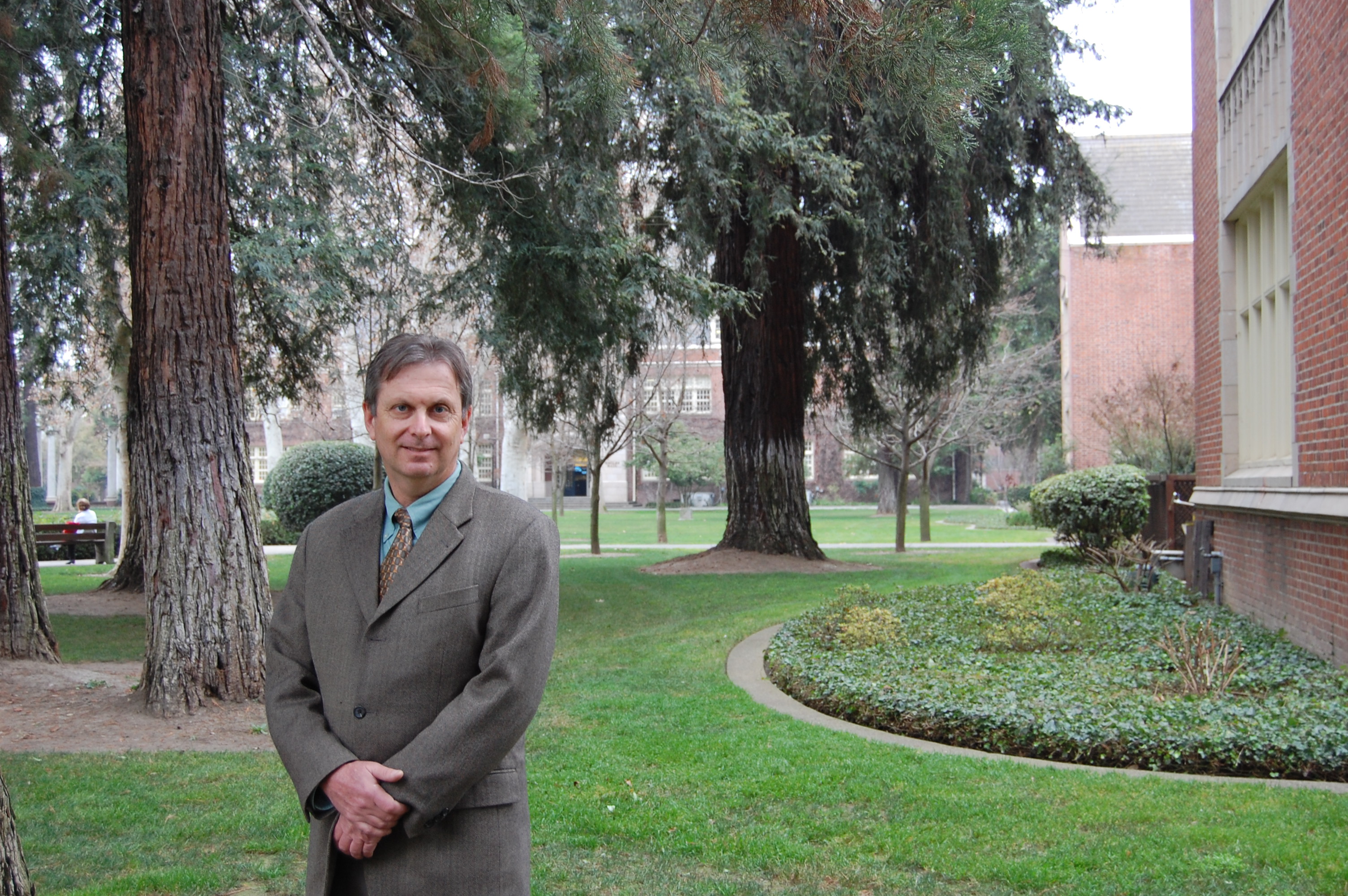
Hilsenrath: The University of California at Santa Cruz was my undergraduate institution. Initially, I was an environmental studies major. I then added economics and graduated with a double major because of an interest in the outdoors and concern about environmental consequences of economic growth. So many environmental problems are rooted in economics and the two academic fields seemed to complement one another well. In 1980, I entered graduate school at the University of Texas at Austin. My major was economics with fields in natural resources and economic history.
AUPHA: Tell us about the jobs you held before you got into academe
Hilsenrath: I worked for Lockheed Missiles and Space Company between college and graduate school as a nuclear weapons manager. My group managed spare parts for fleet ballistic missiles. After graduate school, I was part of the research staff at the Center for Naval Analyses. This is how I fell into healthcare management. I was assigned to the less security sensitive healthcare arena where I evaluated Navy manpower requirements and management of Navy participation in the Civilian Health and Medical Program for Uniformed Services (CHAMPUS) program. I continued work on healthcare issues even after I had a high level security clearance helping to assess the role of medical support in the Atlantic Fleet War Plans. I also worked on a reorganization of Navy healthcare. Another non-academic job was held in the mid-90s while on leave from the University of Iowa. I served as Chief Economist at the Nedbank affiliate “Syfrets Managed Assets” in Cape Town. This was an opportunity to engage in “real world” finance.
AUPHA: Where have you held faculty appointments during your career?
My first faculty appointment was teaching during the summers of 1982 and 1983 at the University of California-Santa Cruz in the economics department. Then in 1984 I went to Johannesburg to write my dissertation on coal-based synthetic fuel production in South Africa. I had an appointment as an Assistant Lecturer in the Economics Department. I returned in 1986, once I had finished my PhD, as a Lecturer. In 1988, when working for the Center for Naval Analyses, I contacted AUPHA about positions in health management education programs. Gary Filerman approached a few programs with known faculty needs including the University of Iowa. I joined the Graduate Program in Hospital and Health Administration at the University of Iowa in 1989. It had a well-established MHA program. The College of Medicine setting facilitated productive collaborations with Radiology, Pediatrics and other medical specialties. In the late 1990s, the University of Iowa established a College of Public Health. Our faculty became its Department of Health Management and Policy. In 2000, I moved to the warmer climate of Fort Worth to join the new School of Public Health at the University of North Texas. I served as the first chair of Health Management and Policy. My last move was to the University of the Pacific in 2009 with a joint appointment in the Schools of Business and Pharmacy & Health Sciences.
AUPHA: What is your current position and what made you choose the program you are currently appointed to?
Hilsenrath: My current position is Joseph M. Long Chair of Healthcare Management and Professor of Economics. I very much enjoy the business school environment. It is a better fit for me, even after 20 years in health science centers. I was never comfortable with the external funding orientation of the health sciences and prefer the more traditional academic environment of a liberal arts institution. The University of the Pacific offers this traditional approach with professional education as well.
AUPHA: Tell us what's unique about your program, faculty, and students.
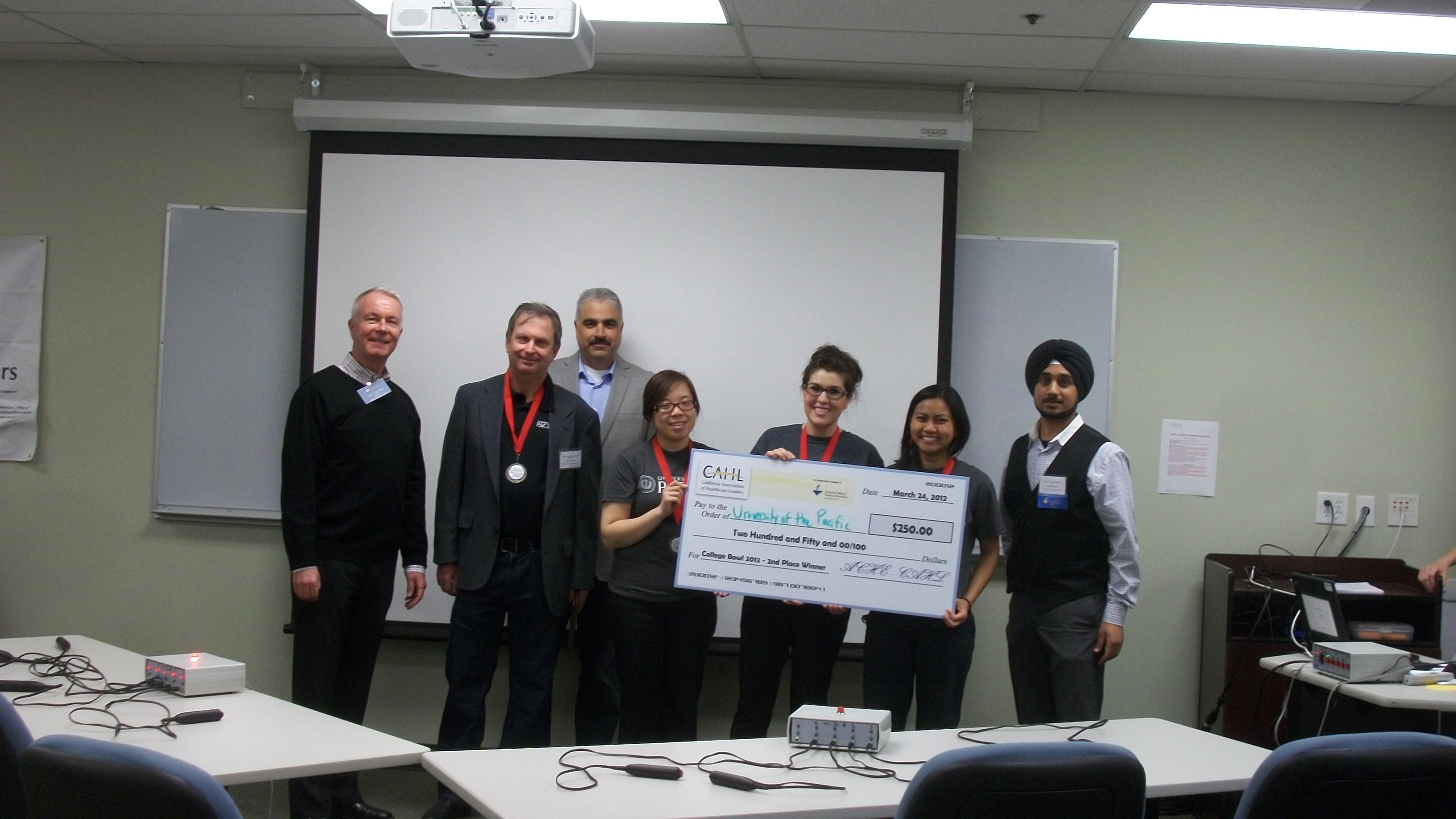
Hilsenrath: We are a small, accelerated MBA program offering a focus in Healthcare Management through several MBA elective courses and experiential opportunities. The University of the Pacific, California’s first chartered institution of higher education, is rooted in the liberal arts tradition and promotes a global perspective. One relatively unique factor is the PharmD/MBA program. Students can complete the dual degree program in four years. A part-time, working professional MBA option is also being considered. This is expected to draw from a more experienced prospective student market. Most of our students are from California, though we have increasing numbers of international students, especially from Asia. The University of the Pacific is nationally ranked with a long tradition of dedicated teaching, small class sizes, practical experience and vibrant residential life. The university has three campuses: Stockton, Sacramento and San Francisco. The attractive main campus in Stockton is home to seven schools and colleges with more than 80 programs of study.
AUPHA: What's the greatest challenge you face in your role at your current program?
Hilsenrath: California, and especially its central valley, have been impacted by recent economic hardship. Financial support for higher education is more difficult to obtain and this undermines efforts to draw qualified students from underrepresented communities such as Hispanics and African Americans. I think our health management program, as well as others around the country suffer from an image problem. Health managers are not always particularly revered but have opportunities to address some of the nation’s most pressing problems. Job growth over the next decade is expected to be quite good, exceeding that of the average occupation.
AUPHA: What do you consider your greatest accomplishment during your tenure at your current program?
Hilsenrath: My greatest accomplishment in my current position is establishment of a high quality MBA in Healthcare Management as well as improved oversight of the PharmD/MBA program. We are small but hope to grow, especially with a part-time program. It is gratifying to see our students succeed once they graduate and I have high hopes that they will contribute to solving the many problems our health sector faces. Scholarship is another important accomplishment and I enjoy various facets of research activity.
AUPHA: What keeps you in this field, despite the challenges you mentioned above?
Hilsenrath: I am very well disposed towards academic life. The autonomy that comes with traditional academic life is a big draw. Academic healthcare management facilitates a wide variety of practical scholarly opportunities. Our field offers graduates and faculty unparalleled potential to address important social problems. Another draw is the pleasure of teaching bright students facts, ideas and new perspectives.
AUPHA: If making a living/money were not a consideration, what would you be doing instead or what would you do in retirement?
Hilsenrath: I might still be in academia if not in healthcare management. It would possibly be another area of business or perhaps an economics department. Another option might be history. I have always found that fascinating. But if academic life was not an option, perhaps finance. I very much enjoyed asset management while I did that for a year.
I hope to do more reading when I retire and avail myself of natural settings so long as my health holds up. Skiing, hiking and boating are some of my favorite pastimes. Because I like what I do, I may opt for phased retirement.