Ohio State University researchers Stephen Loebs, Aaron Fields, Hagop Mekhjian, and Andrew Thomas co-authored a manuscript titled “Building Bridges Between Medicine and Management,” that was published in the Spring 2011 edition of the Journal of Health Administration Education, Vol28,No.2.
The article reports on a teaching project at The Ohio State University Medical Center where graduate students pursuing a health management degree program are assigned to join clinical care teams. The results indicate many benefits to this approach, including improved understanding, increased confidence in working with an interdisciplinary team and a building a foundation for collaboration.
Hilligoss joins Ohio State’s College of Public Health Division of Health Services Management and Policy
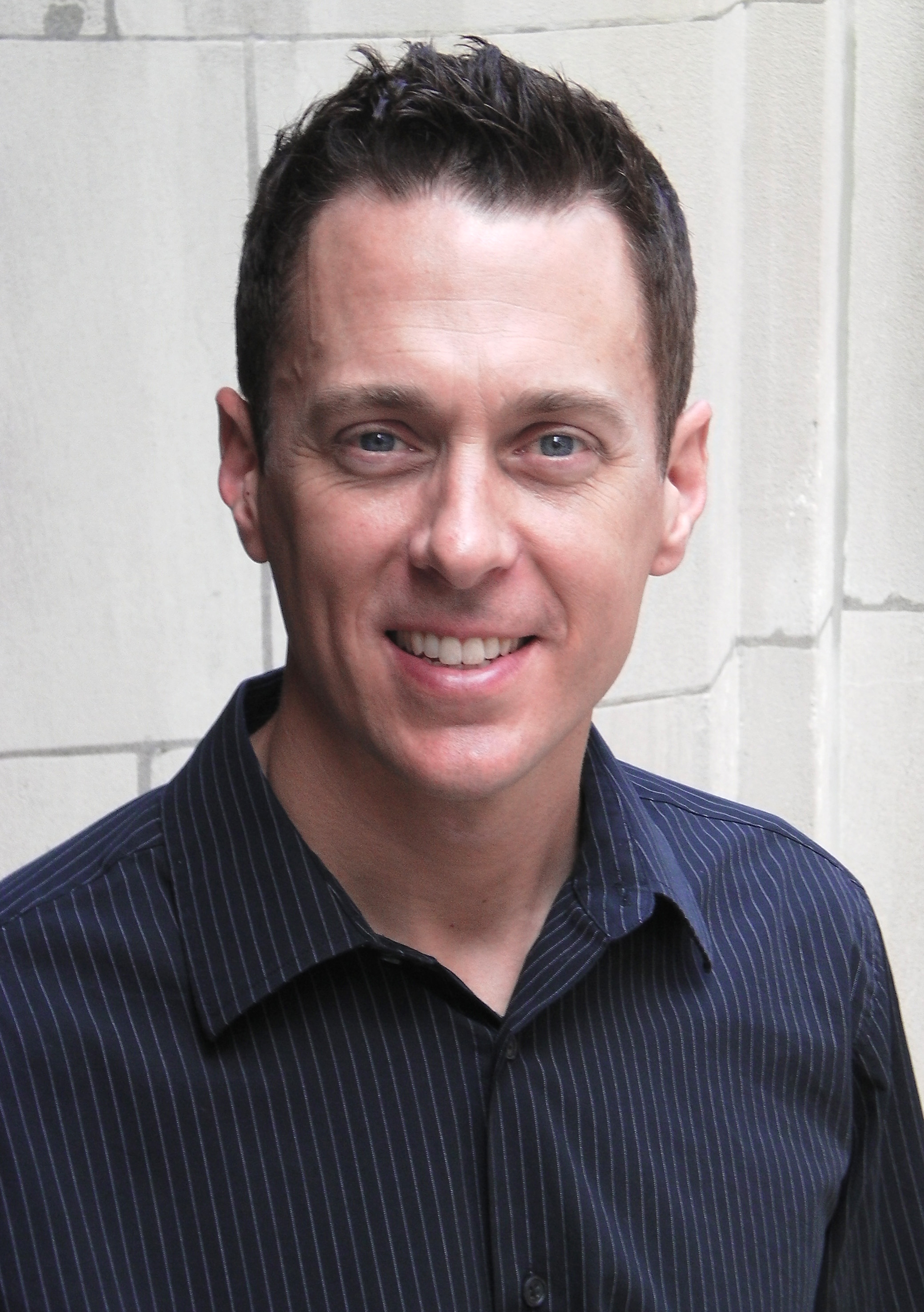 Brian Hilligoss, PhD, joined the College of Public Health's Division of Health Services Management and Policy as an assistant professor on July 1.
Hilligoss received a Master of Science degree in Information Science from the University of North Carolina at Chapel Hill and a PhD in Information from the University of Michigan.
His research explores the processes of communicating and coordinating in complex health care organizations, the ways that information technology and organizational divisions of labor influence these processes and how health care organizations learn and change.
“At Ohio State, my work will address how information systems and organizational structures affect the delivery of health care services. How we organize health care systems and make information available within those systems are two key aspects to enabling health care providers to deliver safe, high quality care to populations of patients,” Hilligoss said.
Hilligoss will teach courses in health care organization and quality and patient safety. He has published research in Quality & Safety in Health Care, Advances in Health Care Managemet and Information Processing and Management.
He received a highly competitive health services research dissertation grant from the U.S. Agency for Healthcare Research and Quality and a dissertation writing award from ProQuest. He has also taught as a graduate student instructor at the University of Michigan where he received an outstanding instructor award.
Iezzoni discussed health care disparities for persons with disabilities at Ohio State’s Midland Lecture
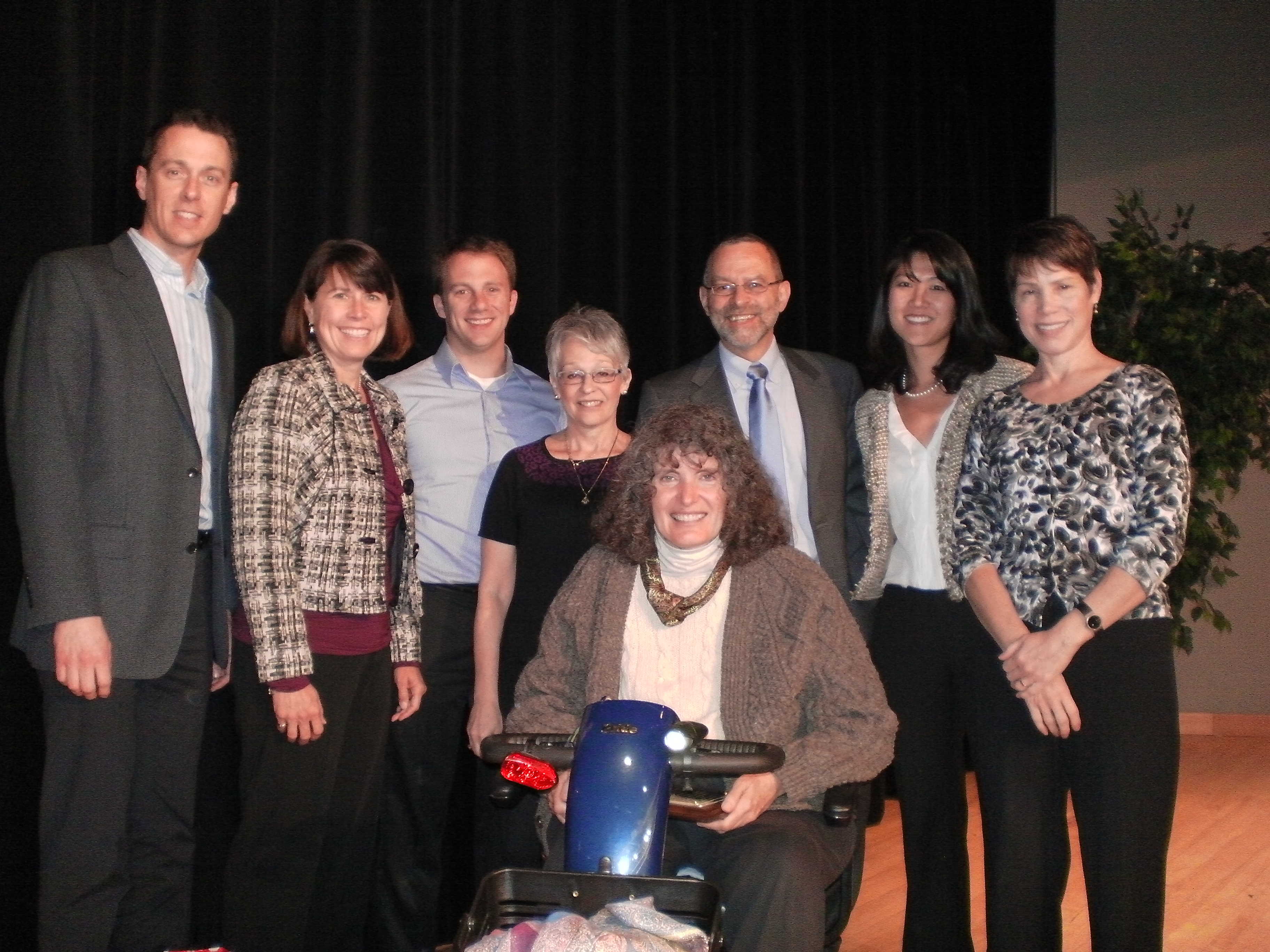 Lisa I. Iezzoni presented the 2011 Midland Lecture on the topic “Eliminating Health Care Disparities for Persons with Disabilities” on Thursday, October 27 on The Ohio State University campus.
Iezzoni’s talk brought attention to the many ways society fails to accommodate persons with disabilities and the health issues that subsequently arise.
Iezzoni pointed out that at least 54 million U.S. residents live with disabilities, and these numbers will grow substantially in coming decades with aging "baby boomers." For a variety of reasons, persons with disabilities experience health care disparities, such as lower rates of screening services and difficulties accessing care.
She stated that eliminating these disparities is essential for persons with disabilities to live long and healthy lives, as envisioned by the nation's Healthy People 2020 initiative.
“Disability in America is not a minority issue. Throughout everyone’s lifetime, it will either touch them, themselves or someone they love,” said Iezzoni. “So why in the world, in the year 2011, is it so hard to make healthcare fully accessible to everyone?”
Iezzoni shared evidence of disparities gained through qualitative data, published research and first-hand experience.
“Women with disabilities are 40 percent less likely to get a pap smear, 30 percent less likely to get a mammogram, and 30 percent more likely to die from their breast cancers than non-disabled women,” said Iezzoni.
Iezzoni then presented a historical view of disability rights, including an example paralleling Rosa Parks’ historic civil rights act on a bus in Alabama to today’s widely inaccessible public transportation for persons with disabilities.
“For someone like me to even get onto the bus, I need to have a bus that’s built to allow me to get onto it. I need to have the driver recognize my stigmatizing attribute and I have to have that driver stop and lower the ramp to allow me to get onto the bus,” said Iezzoni. “We don’t have the same equal access that other people do.”
Iezzoni continued her lecture by discussing the barriers to healthcare that disabled persons experience, such as mamography equipment and scales that are often not wheelchair accessible and non-adjustable tables in doctors’ offices that hinder full-body medical examinations of persons with disabilities.
“Disability is often the elephant in the room. But people don’t want to talk about it. And people who do observe it touch different bits of it, and so they have a totally different sense of what it means,” said Iezzoni.
Iezzoni described the social model of disability as society failing to accommodate people’s differences.
“If you don’t create a curb cut, I’m not going to be able to go up and down the sidewalk. It’s not my problem that I can’t go up and down, it’s the problem of the civil engineers who didn’t put in a curb cut,” said Iezzoni.
In closing, Iezzoi offered some possible solutions, such as being an empathetic listener, making no assumptions about persons with disabilities and adopting a universal design perspective.
Lisa I. Iezzoni, M.D., M.Sc. is professor of medicine at Harvard Medical School and director of the Mongan Institute for Health Policy at the Massachusetts General Hospital in Boston. She has published and spoken widely on risk adjustment and also studies health care quality, delivery system, and policy issues relating to persons with disabilities.
Iezzoni’s book, When Walking Fails, was published in 2003; More Than Ramps: A Guide to Improving Health Care Quality and Access for People with Disabilities, co-authored with Bonnie L. O’Day, appeared in 2006; and Multiple Sclerosis, written for young people, came out in 2010. Dr. Iezzoni is a member of the Institute of Medicine in the National Academy of Sciences.
The lecture was sponsored by the College of Public Health’s Division of Health Services Management and Policy and The Center for Health Outcomes, Policy and Evaluation Studies (HOPES).